The Definition
SomatoEmotional Release (SER) is a therapeutic process developed by Dr. John E. Upledger and Dr. Zvi Karni that extends CranioSacral Therapy beyond the biomechanical system into the body's stored emotional life. The word "somato" refers to the body; the full name describes what the process does -- it facilitates the body's release of emotional energy that became lodged in tissue following trauma, injury, or prolonged stress.
The concept rests on a clinical observation that Upledger and Karni made during their research: when the body experiences trauma, it sometimes cannot fully process and dissipate the energy from that event. What it cannot process, it retains. Upledger and Karni called this retained energy an energy cyst: a localized area in the body's tissue where the force of an unresolved event continues to be held. Energy cysts disrupt normal tissue function and, over time, demand increasing energy from the body to contain them.
SER uses the practitioner's hands, along with dialogue and specific facilitation techniques, to help the body locate and release these retained energies -- often alongside the surfacing of memories, emotions, or images associated with the original event.
How SER Differs from CranioSacral Therapy
- Works with the craniosacral system: membranes, cerebrospinal fluid, and connected structures
- Addresses physical restrictions in tissue and fascia
- Light touch at specific anatomical locations
- Primarily structural and physiological in focus
- Foundation for SER training
- Addresses the body's retained emotional energy (energy cysts) from past trauma
- Incorporates dialogue, imagery, and facilitated emotional processing
- Practitioner follows the body's cues for position and movement
- Works at the intersection of soma and psyche
- Built on CST training -- SER courses follow CS1 and CS2
What Happens in an SER Session
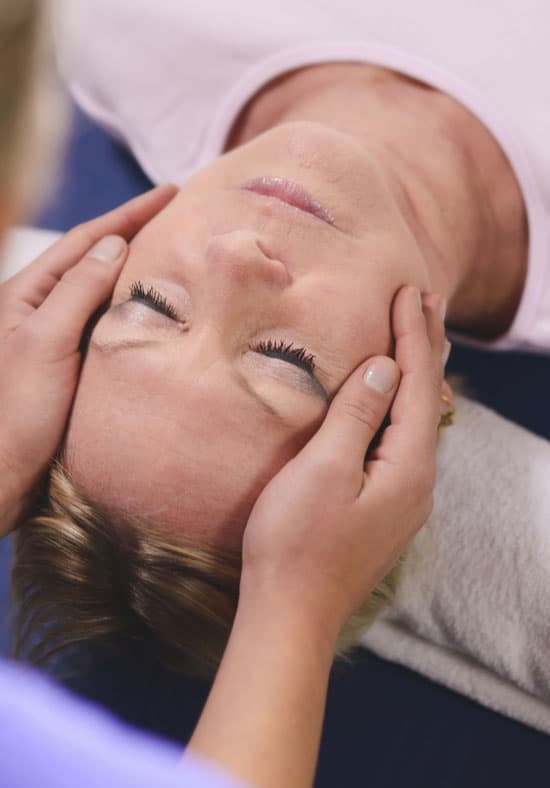
An SER session begins like a standard CST session. The client lies fully clothed on a treatment table; the practitioner uses the same light-touch palpation to listen to the craniosacral rhythm. When the body guides attention to a region where an energy cyst may be held, the practitioner follows the body's lead -- facilitating position changes, following tissue movement, and, when appropriate, introducing verbal dialogue to support the client's processing.
Clients often experience images, emotions, or physical sensations as a release occurs. The practitioner's role is to create a safe therapeutic container and follow the body's process rather than direct it. Sessions can vary widely. Some are quiet and deeply physical; others involve more active emotional processing. Clients remain clothed and in control throughout.
SER is not psychotherapy. It is a somatic process that respects the body's own healing intelligence. Practitioners are trained to follow -- not lead -- what the client's body offers.
Who May Benefit
- Individuals with a history of physical trauma -- accidents, surgery, injury -- where pain or dysfunction persists without clear structural explanation
- Those with chronic pain conditions that have not responded to structural manual therapy alone
- People dealing with anxiety, depression, or PTSD where the body holds the history of the experience
- Individuals in recovery from grief, loss, or sustained stress
- Clients who find talk therapy alone does not address the physical component of their experience
How Practitioners Learn SER
SER training at Upledger Institute International follows the CST course sequence. Practitioners must complete CranioSacral Therapy 1 (CS1) and CranioSacral Therapy 2 (CS2) before enrolling in SER courses. The curriculum then continues with:
- SER 1 -- introduces the energy cyst concept, SER techniques, and practitioner facilitation skills
- SER 2 -- advanced SER, group therapy applications, and more complex trauma presentations
Both courses are multi-day hands-on intensives offered at locations worldwide. SER training is open to all licensed healthcare practitioners already enrolled in UII's curriculum.
Frequently Asked Questions
Become Certified
Ready to learn about becoming a certified CST practitioner?
Contact Us
Have questions?