The Honest Answer
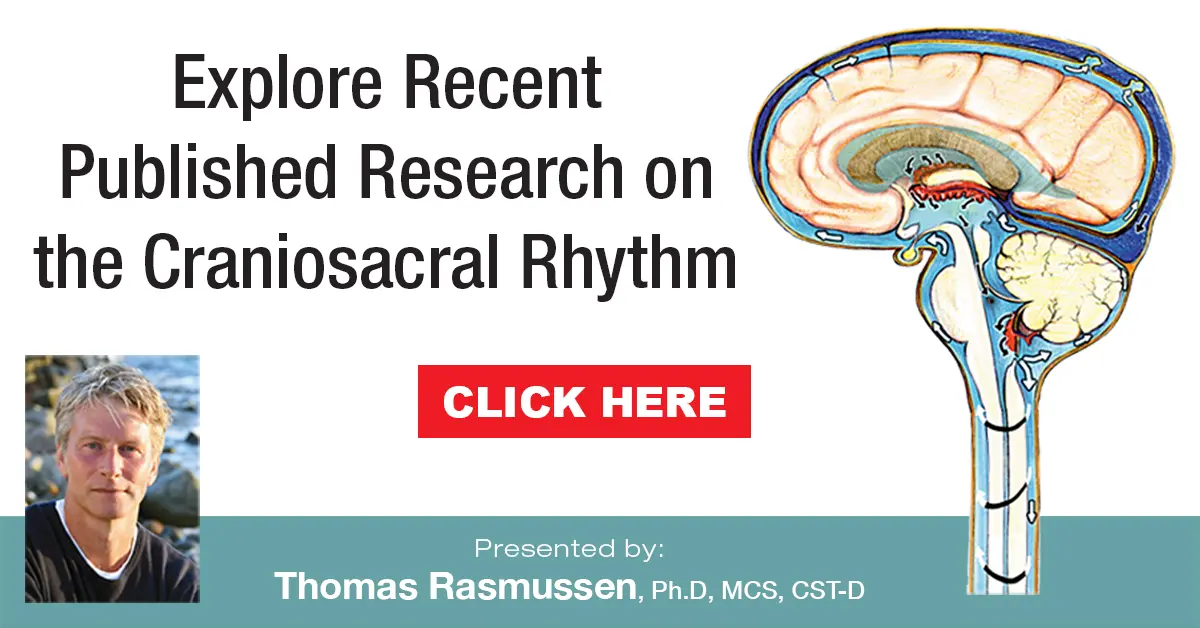
CranioSacral Therapy is more precisely described as evidence-informed than fully evidence-based in the clinical research sense. It originated in formal university research: Dr. John E. Upledger led a decade-long biomechanics study at Michigan State University (1975-1983) that identified the craniosacral system and documented its rhythmic motion. That foundation gives CST a research origin many complementary therapies lack.
Since then, peer-reviewed studies have examined CST for a range of conditions. The body of research is growing, and several systematic reviews have found positive outcomes. CST is not yet at the level of evidence required for universal clinical guideline inclusion, and study sample sizes are often small. Upledger Institute International acknowledges this honestly and continues to support ongoing research.
For practitioners evaluating whether to add CST to their clinical repertoire: the existing research supports its use for specific presentations, the safety profile is well-established, and the mechanism addresses restrictions in the craniosacral system through anatomy and physiology, not hypothesis.
What the Research Has Examined
Peer-reviewed studies and systematic reviews have investigated CST across these clinical areas:
- Headache and migraine -- multiple studies show reductions in frequency, intensity, and duration; one RCT showed comparable outcomes to conventional care
- Temporomandibular joint (TMJ) dysfunction -- studies document reduction in pain and improved jaw function
- Chronic neck and back pain -- randomized trials show significant pain reduction compared to sham or usual care
- Fibromyalgia -- controlled trials demonstrate improvement in pain, fatigue, and quality of life measures
- Infantile colic -- trials in pediatric settings show reduced crying duration and parental distress
- PTSD and anxiety -- studies examining the somatic component of trauma responses, including work underpinning SomatoEmotional Release
- Post-surgical recovery -- case studies and pilot research on recovery from orthopedic and neurological procedures
Safety
Across the research literature, CST has a strong safety record. The 5-gram touch is among the gentlest manual therapy contacts in clinical use. A 2012 safety review by Rasmussen et al. examined adverse events and concluded that CST has a favorable safety profile when performed by trained practitioners.
The research foundation
Dr. Upledger's Michigan State University biomechanics research (1975-1983) established the scientific basis for CST -- one of the most rigorous research foundations of any manual therapy developed in the 20th century.
Evidence-Based vs. Evidence-Informed
These terms are not interchangeable, and the distinction matters for licensed practitioners.
Evidence-based practice requires high-quality randomized controlled trials, systematic reviews, and meta-analyses showing efficacy above control. The gold standard takes time and funding. Many widely-used clinical techniques lack this level of evidence and are practiced based on clinical expertise and patient outcomes.
Evidence-informed practice incorporates available research alongside clinical expertise, anatomical rationale, and documented patient outcomes. It is the standard applied across much of integrative and manual therapy medicine.
UII positions CST as evidence-informed: grounded in anatomical and physiological research, supported by a growing clinical evidence base, and delivered by practitioners who hold a healthcare license in their own profession.
Frequently Asked Questions
Become Certified
Ready to learn about becoming a certified CST practitioner?
Contact Us
Have questions?